How to Become an Amazon Delivery Driver in 2026
With thousands of people searching how to become an Amazon delivery driver every month, the opportunity is clear. This complete guide covers Amazon DSP vs Flex, requirements, pay, training, and the exact steps you need to get hired in 2026.
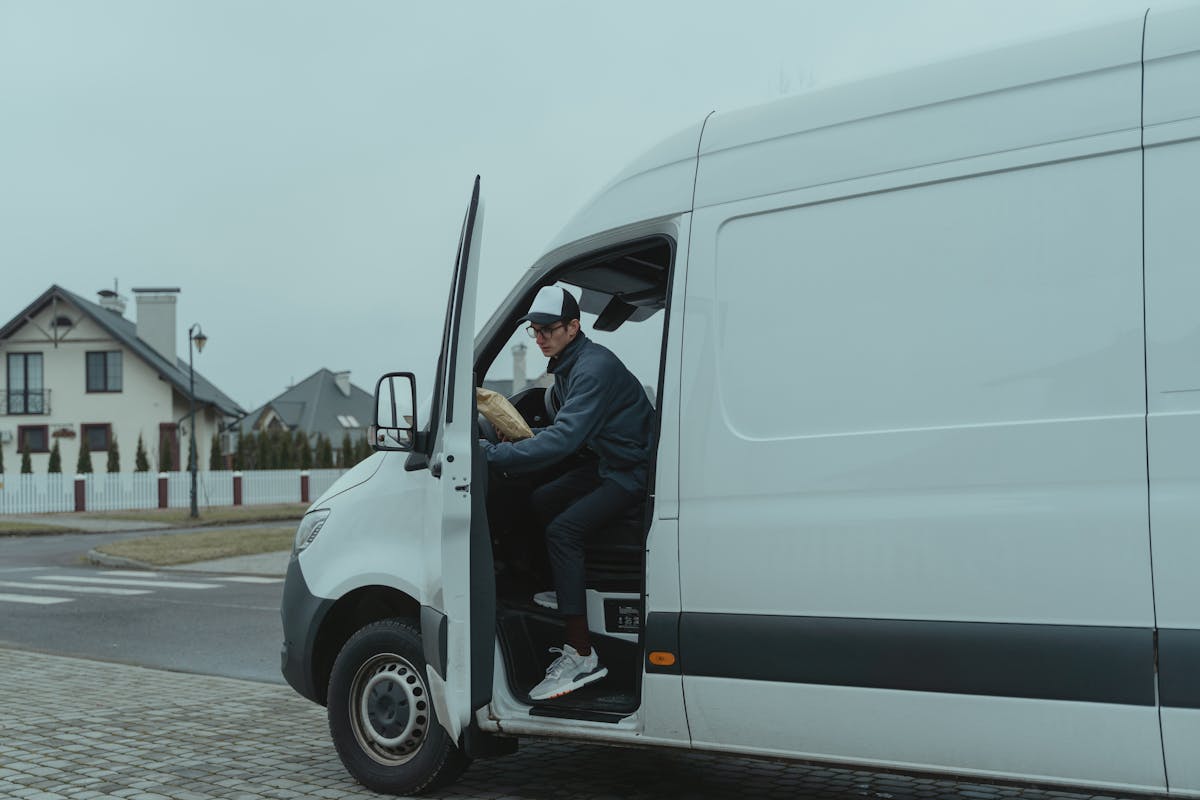
If you have been wondering how to become an Amazon delivery driver, you are not alone. With e-commerce demand continuing to grow, Amazon relies on two main types of drivers to keep packages moving: Amazon DSP drivers who operate branded vans for independent delivery companies, and Amazon Flex drivers who use their own vehicles for gig-style deliveries.
Both options offer a path to steady income without needing a college degree or commercial driver's license. In this guide, we break down everything you need to know to get started in 2026, from basic requirements and pay expectations to training and long-term career tips.
1. DSP vs Flex: Which Route Is Right for You?
Before you start the application process, it helps to understand the difference between Amazon DSP and Amazon Flex. Each model suits a different lifestyle and income goal.
Amazon DSP Driver
DSP stands for Delivery Service Partner. These are independent local companies contracted by Amazon to handle last-mile delivery. As a DSP driver, you are an employee of that local company, not Amazon itself. You drive an Amazon-branded van, follow a pre-planned route, and typically work a set schedule of 3 to 5 days per week. This is the best option if you want steady hours, predictable pay, and employee benefits.
Amazon Flex Driver
Amazon Flex is the gig-economy alternative. You use your own vehicle, choose your own blocks of time through the Flex app, and get paid per delivery block. Flex is ideal if you want total schedule freedom and already own a reliable mid-sized sedan or larger. However, income can be less predictable, and you are responsible for your own fuel, insurance, and vehicle maintenance.
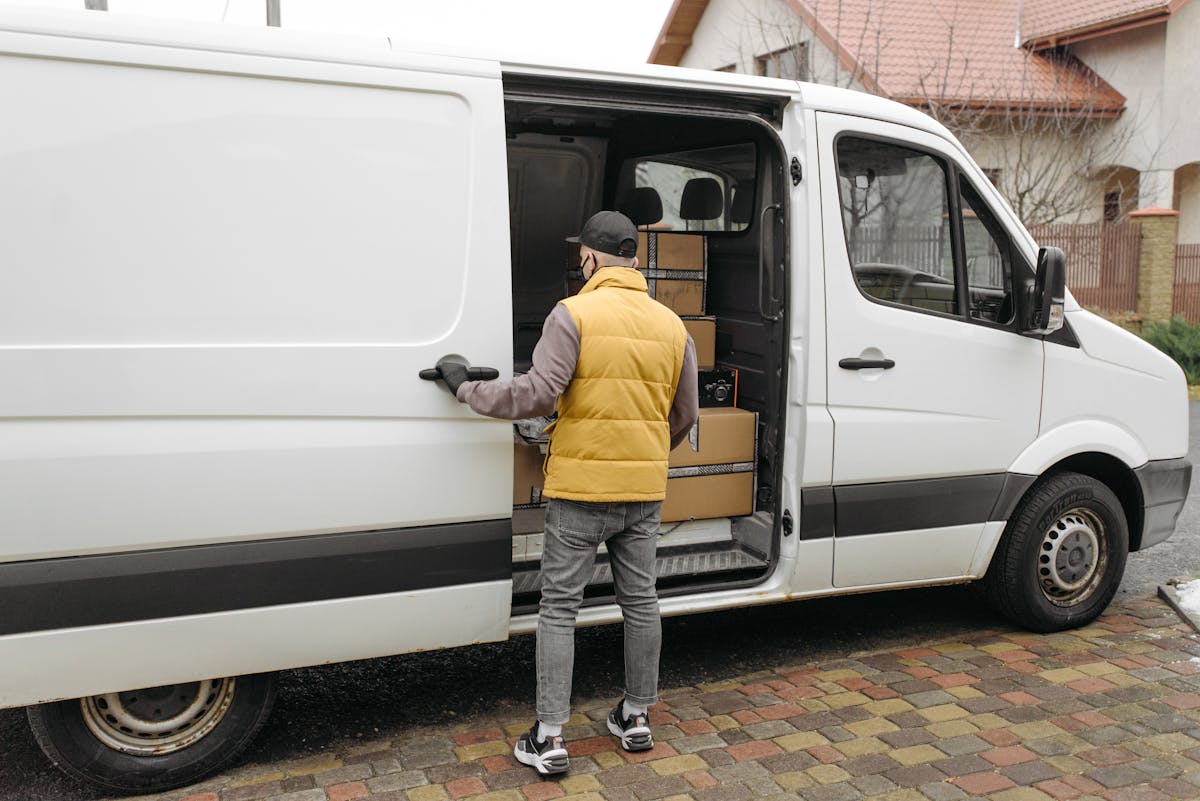
2. Amazon Delivery Driver Requirements
Whether you apply for DSP or Flex, there are core requirements every candidate must meet. Specifics can vary slightly by location and DSP employer, but the following standards apply nearly everywhere.
Basic Eligibility
- Age: At least 21 years old for DSP drivers. Flex drivers must also be 21 or older in most regions.
- License: A valid driver's license in the state where you will work. No commercial driver's license (CDL) is required for standard delivery vans.
- Work Authorization: Legal right to work in your country, with documentation such as a Social Security number or equivalent.
- Background Check: Pass a criminal background check and motor vehicle record review. Some DSPs also require a drug screening.
Physical and Skills Requirements
- Ability to lift and carry packages up to 50 pounds
- Comfortable working independently for long stretches
- Basic smartphone and GPS literacy
- Good customer service and communication skills
- Ability to work in various weather conditions
Vehicle Requirements (Flex Only)
Amazon Flex drivers need a reliable 4-door mid-sized sedan or larger. Some regions accept SUVs and vans. Your vehicle must pass a basic safety inspection and be properly insured.
3. Step-by-Step: How to Apply
The application process is straightforward, but moving quickly and staying organized can help you land a spot before positions fill.
For Amazon DSP
- Search for openings: Visit
dspdriverjobs.comor search "Amazon DSP driver jobs" plus your city on major job boards like Indeed or ZipRecruiter. - Submit your application: Fill out the online form with your contact details, work history, and driving record information.
- Complete screening: Consent to a background check and motor vehicle record review. Some DSPs require a drug test.
- Attend an interview: Many DSPs conduct a brief phone or in-person interview to assess reliability and fit.
- Accept your offer: Once cleared, you will receive a start date and training schedule.
For Amazon Flex
- Download the Amazon Flex app from your device's app store.
- Create an account and answer basic eligibility questions.
- Watch the required training videos.
- Provide documentation for identity and vehicle insurance.
- Wait for approval, which can take a few days to a few weeks depending on local demand.
4. What to Expect During Training
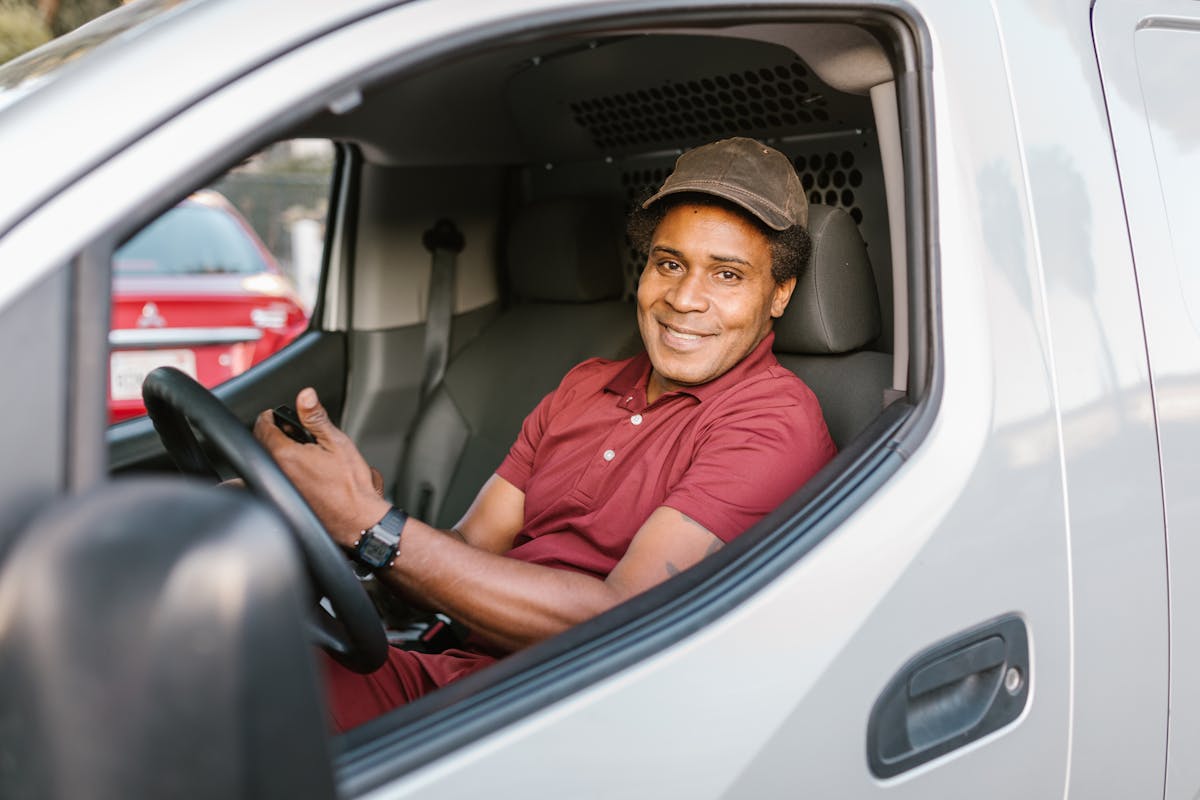
Amazon takes safety seriously. New DSP drivers typically complete a 3-day delivery academy before they are allowed on the road solo. This training covers safe driving practices, package handling, route optimization, and customer interaction protocols.
Day 1: Classroom and Safety
You will learn Amazon's safety standards, defensive driving techniques, and how to use the delivery handheld device. Expect quizzes and hands-on demonstrations.
Day 2: Shadowing
Most new drivers spend time riding along with an experienced mentor. You will observe how they organize packages in the van, navigate routes, and interact with customers or apartment complexes.
Day 3: Practice Routes
Under supervision, you will begin delivering packages yourself. Instructors provide real-time feedback on speed, safety, and package placement.
5. Amazon Delivery Driver Pay and Bonuses
Pay varies based on location, DSP employer, and whether you choose DSP or Flex. Here is what the numbers look like in 2026.
Amazon DSP Driver Pay
As of 2026, Amazon announced that U.S. DSP drivers earn an average of nearly $22 per hour, up from previous years. Actual rates vary by market, with most drivers seeing hourly wages between $16 and $22. Annual salaries for full-time DSP drivers typically range from $30,000 to $40,000, with top earners in high-cost areas reaching $43,000.
Amazon Flex Driver Pay
Flex drivers are paid per delivery block, typically ranging from $18 to $25 per hour depending on demand, time of day, and location. Peak season and surge pricing can push blocks higher, especially during holidays.
Bonuses and Incentives
Many DSPs offer performance-based bonuses for safe driving, attendance, and route efficiency. Peak season bonuses are also common around Prime Day, Black Friday, and Christmas. When interviewing with a DSP, ask specifically about their bonus structure and what percentage of drivers typically qualify.
6. Pros and Cons of the Job
Like any job, being an Amazon delivery driver has its upsides and downsides. Knowing both sides helps you decide if this path fits your goals.
Pros
- No degree required: A valid license and clean record are enough for most positions.
- Steady demand: E-commerce growth means consistent package volume and job security.
- Physical activity: Great if you prefer being on your feet rather than sitting at a desk.
- Quick onboarding: Many drivers go from application to first paycheck in under two weeks.
- Career growth: High-performing drivers can move into dispatcher, trainer, or DSP management roles.
Cons
- Physical demands: Routes can involve 150 to 300+ stops, heavy lifting, and long hours on the road.
- Time pressure: Tight delivery windows can be stressful, especially in dense urban areas.
- Weather exposure: You will deliver rain or shine, and sometimes in extreme temperatures.
- Variable schedules: DSP drivers may not always get a full 40-hour week depending on route availability.
7. Tips to Succeed as a New Driver
Your first few weeks on the road set the tone for your entire experience. Here are proven strategies from experienced drivers to help you start strong.
Organize Your Van Before You Leave
Sort packages by stop number or delivery zone before you pull out of the warehouse. Every minute you save searching for a package adds up across a 10-hour shift.
Master the App Early
The delivery app is your most important tool. Learn how to mark deliveries complete, scan packages, and report issues without hesitation. Speed and accuracy here directly impact your performance metrics.
Stay Safe, Not Fast
It is tempting to rush to finish early, but speeding and running stop signs lead to accidents and termination. Safe driving bonuses often reward consistent, careful behavior more than raw speed.
Communicate with Your DSP
If you are running behind or facing an impossible route, let your dispatcher know early. Good communication builds trust and can lead to better route assignments over time.
How CV On The Go Helps Your Application
Even though delivery driving does not always require a formal resume, many DSPs still ask for a work history summary during the application process. Having a clean, professional CV ready can set you apart from other candidates and speed up your hiring.
CV On The Go is an AI-powered CV builder that helps you create a polished resume in minutes, directly from your phone. Whether you are applying to become an Amazon delivery driver or keeping your options open for future roles, our tool ensures your experience is presented clearly and professionally. Build your CV now and take the first step toward your next career move.